I tried Orangetheory Fitness. There’s Something Exciting Going On.

I didn’t join Orangetheory (OTF) to become a leaderboard legend. I joined because I needed an hour where I didn’t have to guess what to do. Sixty minutes later—sweaty, slightly euphoric, and holding a neat little summary of my effort in the app—I finally understood why people get borderline evangelical about this place. If you’re OTF-curious, consider this your no-fluff, member-eyed tour of how classes work, what the tech actually does, what membership feels like month to month, and a few simple tips to crush your first visit.
Picture of Galen

Galen

Galen has called Raleigh, NC home for nine years; he owns a digital marketing company, cherishes time with his 3-year-old daughter, and unwinds with video games and baking pastries. A newly minted fitness devotee, he trains 5-days per week, has lost a lot of weight testing various health apps, tools, and meal programs, and loves sharing what’s working.

The Workout: A Coach-Led, Weirdly Fun Hour

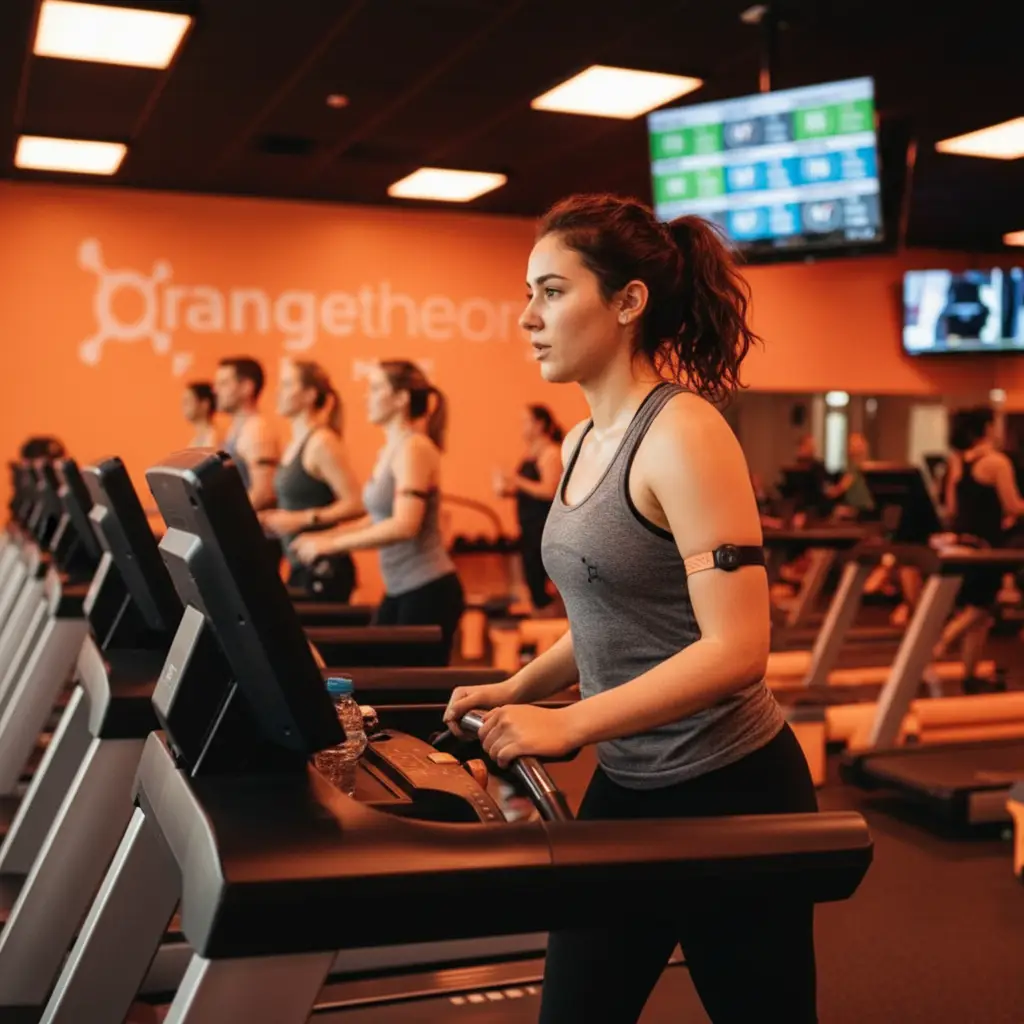
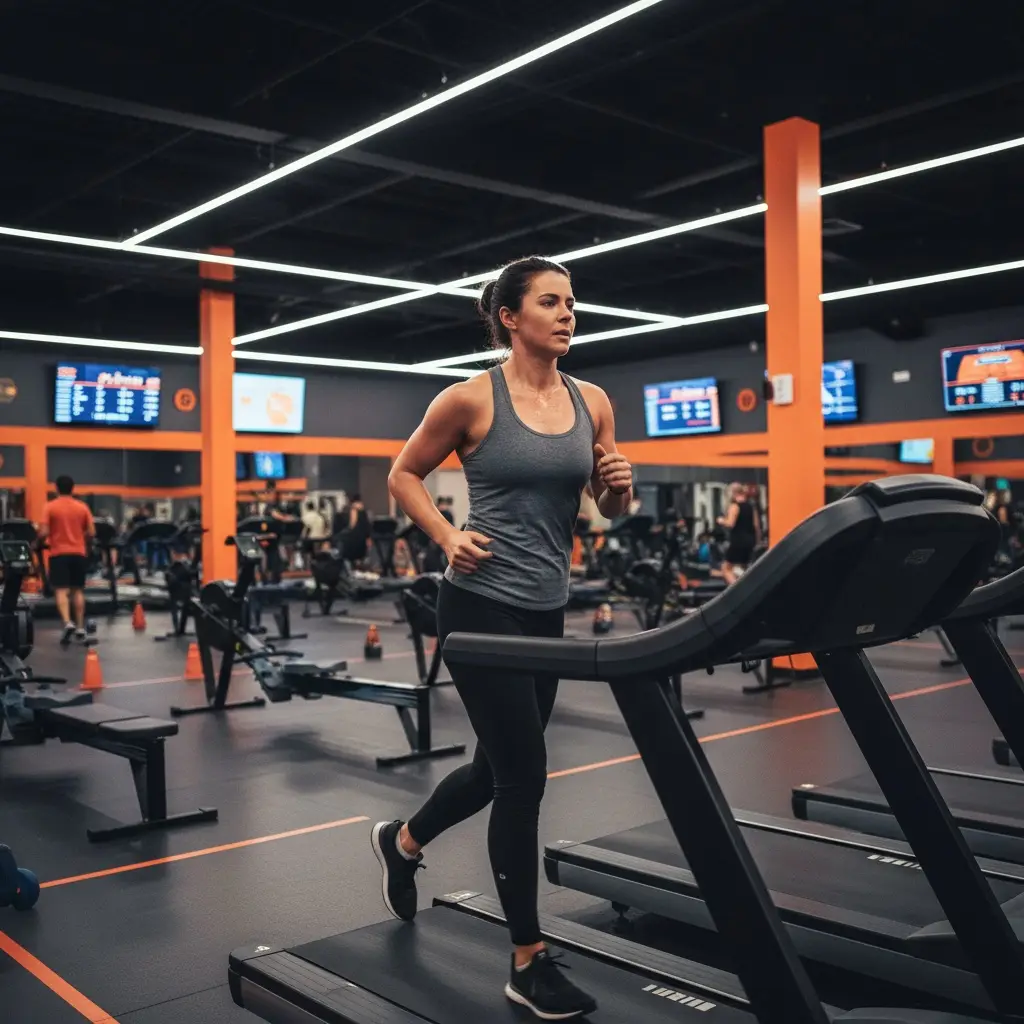
I check in, strap on my OTbeat, and the coach gives us the plan—treads, rowers, then the floor. On the treadmills I live by three cues: Base (steady), Push (challenging), All-Out (short and spicy).

My heart-rate zones pop onto the screens, so I’m not guessing when to surge or ease off. Most days I’m nudged toward 12+ minutes in the orange/red—enough intensity to earn Splat Points without burning out.

The best part at Orangetheory Fitness classes? Coaches who actually watch both your data and your face. They’ll wave you faster, or tell you to breathe and dial it back. I leave those blocks sweaty, but not wrecked—like I did exactly what I came for.
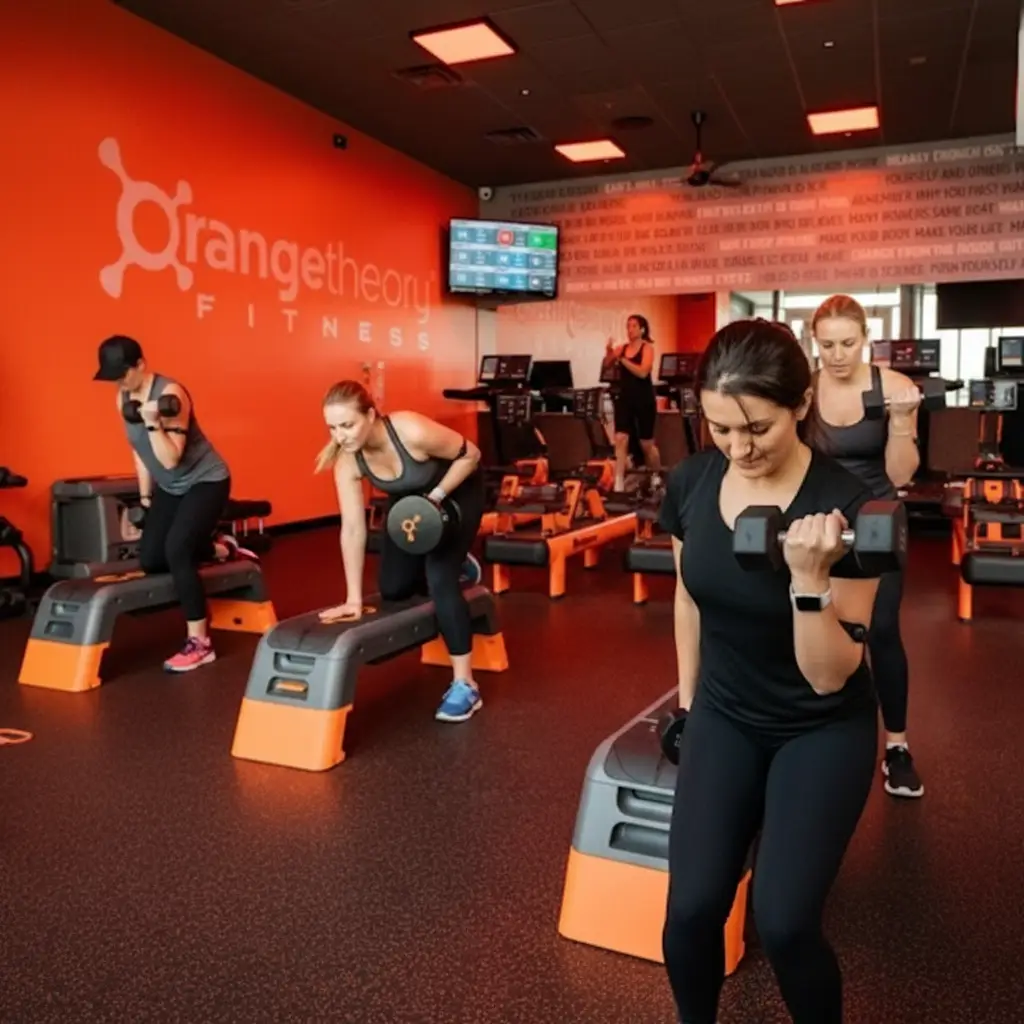
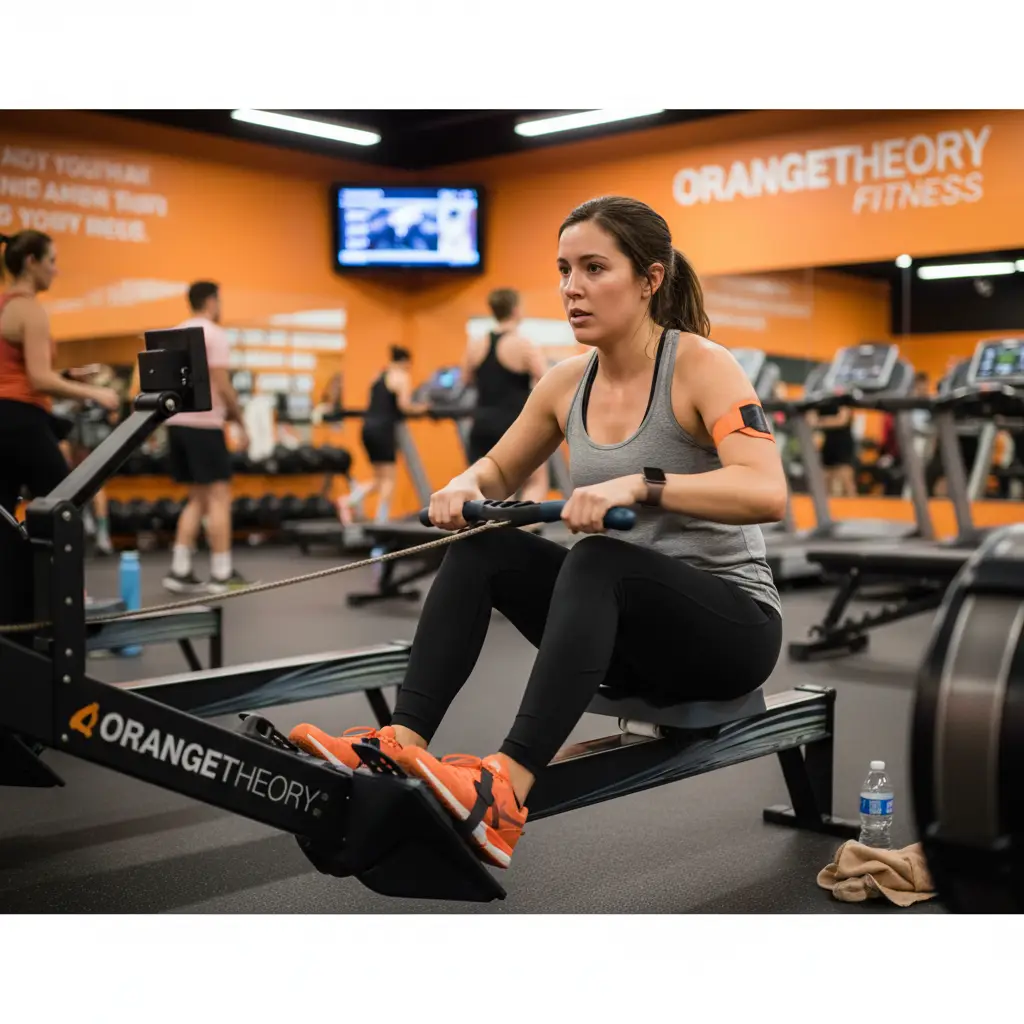
Rowers & the Floor: Where Strength Meets “I Can Do This”

The rower won me over. Short, crisp intervals spike my heart rate; smooth, longer pulls settle it. There’s this moment when everyone in the studio hits the same beat—you hear the slide-clack in unison and it feels like teamwork.

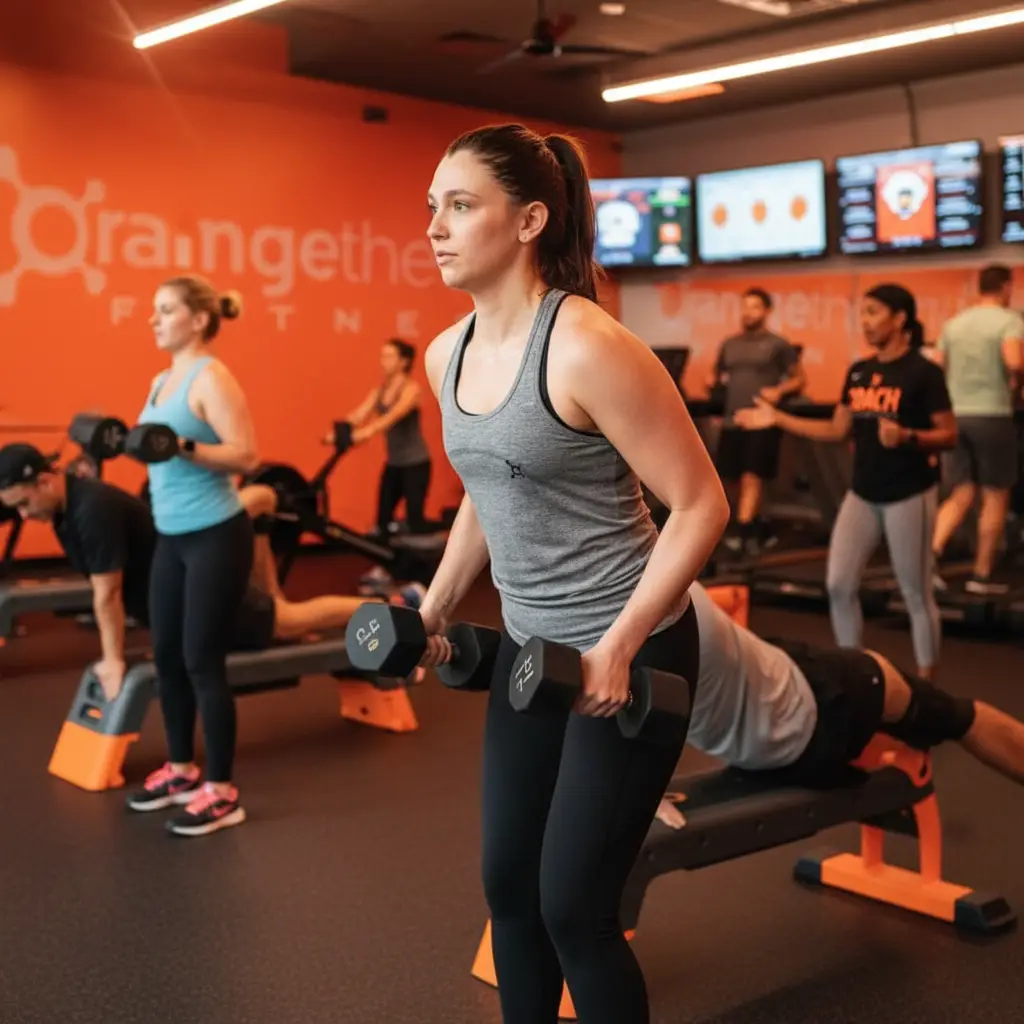
Then it’s the strength floor: some days heavier dumbbells and fewer reps, other days tempo, TRX, or a spicy core finisher. Modifications are baked in, so I can train around a cranky knee without feeling singled out.

Benchmark days—like the 12-minute run or 2,000-meter row—give me North Stars. I still remember my first PR on the rower: tiny fist pump, giant grin, and a couple extra Splat Points as a souvenir.

Two Things I Take With Me After Every Class

Every time I walk out of the Raleigh–Briar Creek studio, I’ve got a clear win for the day and a metabolism that’s still humming. Here’s what that feels like in real life:

My coach handled the plan, I showed up and executed. I leave sweaty, steady, and a little proud—with the workout summary in my app as proof that today’s promise to myself is officially crossed off.

OTF programs class so we spend ~12+ minutes at ≥84% max HR (“Orange/Red” zones), which the brand says can keep calories burning up to 24 hours after class.

Why the Orange Zone Matters (And What “Afterburn” Really Means)

Orangetheory popularized the idea that time spent at higher intensities can trigger excess post-exercise oxygen consumption (EPOC)—a period where your body uses extra energy to recover. Their materials frame the result simply: after a strong session you can keep burning calories for up to 24 hours (how much depends on how hard you went and your physiology).
 
Independent exercise science backs the mechanism: EPOC is real, but the size of the bonus burn varies. Reviews from the American Council on Exercise suggest EPOC often adds roughly 6–15% to the workout’s total energy cost and can persist for 12–48 hours depending on intensity and duration. Translation: the “afterburn” exists; Orangetheory just packages it in a way regular people can execute consistently.

Pricing & Memberships

Membership structure is refreshingly simple. Most studios offer:
  • Basic (limited classes/month, typically around $79 per month),
  • Elite (more classes, typically around $119 per month),
  • Premier (unlimited, typically around $149),
  • Plus 10/20/30-class packs if you prefer a punch card.

Class packs typically cost around $18 to $30 per class depending on the pack you buy. You book everything in the Orangetheory app; it shows templates, waitlists, and your stats history. Pricing and cancellation windows vary by location (it’s a franchise model), so check your studio page or call ahead.

 
For first-timers, there are two great on-ramps:
  • Free first class for local newcomers (at participating studios; restrictions apply).
  • 30-Day Risk-Free Guarantee (Premier): If you’re new, upgrade to unlimited and finish 12 sessions in the first 30 days; if it’s not for you, many studios will refund your first month’s dues (retail/monitor excluded; again, participation varies).

What It Actually Feels Like (From Someone Who Won’t Pretend the Last All-Out Is Easy)

Below I’ve outlined what an average class is, but this can vary by location and by your coach. Each class is dynamic and can be tailored for all fitness levels, includes clear coaching, and the motivating nudge of your live metrics (heart rate and Splat points). Expect to arrive early, wear moisture-wicking gear, and let the coach tune your pace on day one.

What Brings Me Back to OTF (It’s Not Just the Splat Points)

I didn’t join the Orangetheory Fitness location at Briar Creek  in Raleigh because I needed a new gym; I joined because I needed a place where showing up felt easy and finishing felt great. From the front-desk “hey, you made it” to coach Mike who remembers my base pace without checking the screen, the hour is less about proving anything and more about being carried by a room that wants the same thing I do: one honest, focused effort today.

It’s the little rituals. The way the coach says my name right before an All-Out—somehow perfectly timed so I find one more gear. The way walkers, joggers, and sprinters share the same lane of encouragement without pretending we’re all doing the same thing. The slide-clack of the rowers syncing up for a meters push. The quick form cue on the floor that turns a shrug into a pull and suddenly I feel strong instead of stuck. I’ve tried other formats, but OTF is where I don’t negotiate with myself. I book, I show up, I crush my workout with my gym friends, and I leave better than I arrived.

What keeps me coming back isn’t just the Splat Points—it’s the people who make the numbers feel human. On the days I’m dragging, someone’s first-day nerves remind me why I started. On the days I’m flying, the coach reins me in so tomorrow’s not a write-off. It’s accountability without judgment, challenge without chest-thumping, and progress that shows up in tiny, satisfying ways: steadier breathing, cleaner rows, a base pace that used to be my push. That’s my OTF—less “fitness brand,” more “neighbors who sweat together.”

In short, I love three things:

  • The “500-calorie” workout: I do indeed regularly burn ~500+ calories in a 60-minute session.
  • Afterburn window: I continue burning calories after each workout up to 24 hours.
  • I love my coach: Coach Mike at my location in is the best! I always try to schedule workouts with him whenever I can.

My Personal Rating:

Ready To Get your Sweat On?

Sign up to get your first class FREE today (at participating locations).

First-Timer Playbook (Steal This Checklist)

Find a location that offers a first class free

Book a free class at your closest studio and arrive ~30 minutes early. A coach will set up your monitor, walk you through stations, and help you pick treadmill/bike/strider.

Bring water, a small towel, and wear breathable shoes/clothes. You’ll sweat, but the workout scales—walkers, joggers, and runners share the same block.

Chase 12+ Splat Points, not perfection. Use the screen to keep your effort steady; let the coach dial your speed/incline.

Ask for modifications on the floor. Coaches can swap jumps for steps, reduce range of motion, or tweak weights without killing momentum.