
Disclosure: This article contains affiliate links. If you buy through them we may earn a commission, at no extra cost to you. It does not change what we recommend.
Finally A Budgeting App That Doesn’t Suck.
My wife and I tried cash envelopes, split bank accounts and several apps before Monarch finally stuck. Here’s our routine, what it costs, and how to get 50% off your first year after the free week.

“Can we afford to go out to eat again tonight?”
For the first few years of our marriage, that kind of everyday question was harder to answer than it should have been. My wife and I were trying to be responsible with money and manage it together, but we never had one clear picture of where it was going. Today it’s a quick check, and that’s mostly because of a routine we finally kept, with Monarch as the tool that holds it together.
Straight up: we use Monarch ourselves, and everything about our routine below is our own experience. This page contains affiliate links; The Niftiest may earn a commission if you sign up through them, at no extra cost to you. It doesn’t change what I’d tell you.
The short answer
Who it suits: couples who share the money work, have accounts in several places and want one clear view without budgeting becoming another chore. It also suits former Mint users and spreadsheet keepers who want less manual work.
Why I use it: it shows me what we’ve spent, where we’re over and how we’re trending, and I can check all of that a few times a week without dreading it.
The biggest drawback: it’s a paid subscription, and everyone in your household sees all of the connected data. There’s no private corner for one partner.
Try Monarch Free for 7 Days →The trial needs a payment method and becomes a paid subscription unless you cancel at least 24 hours before it ends. The code is for new members on annual Core subscriptions started on Monarch’s website (not through Apple or Google) and can’t be combined with other offers. Checked October 1, 2026.
Our setup at a glance
| Who uses it | My wife and me, under one household subscription (adding a partner costs nothing extra) |
|---|---|
| Setup time | About an hour for us |
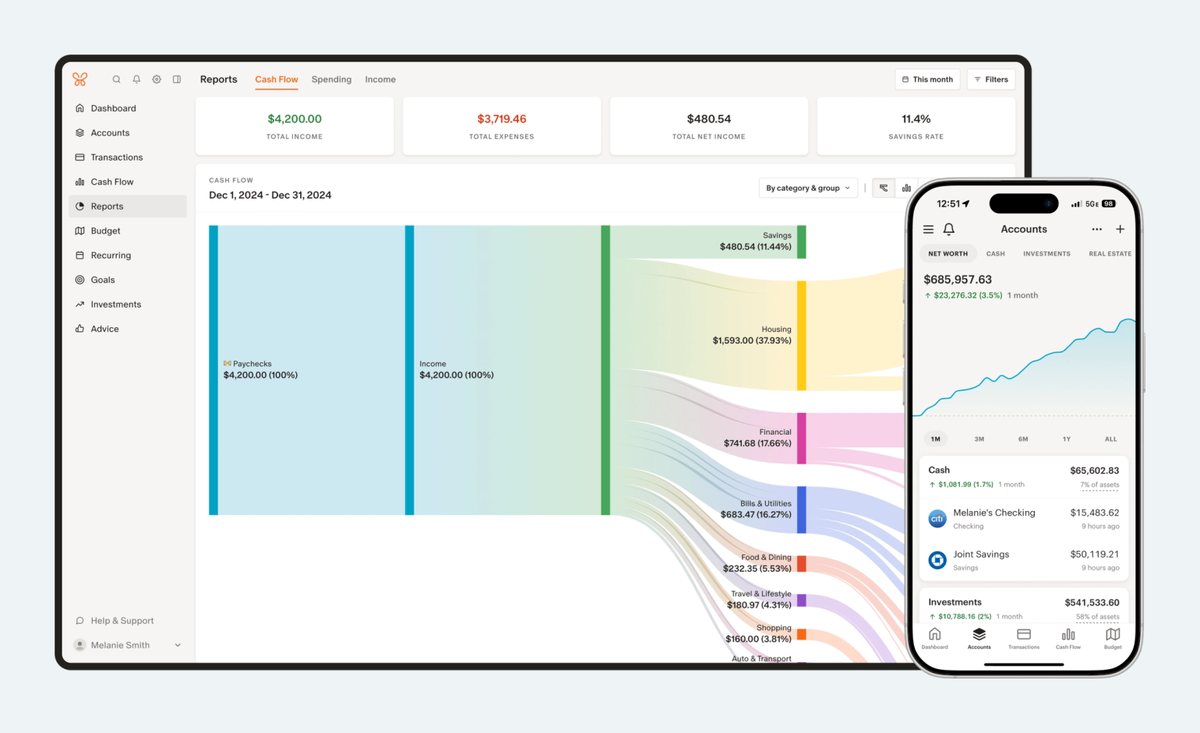
| What connected | All of our accounts, including our mortgage, connected smoothly for us. Monarch also shows an estimate of our home’s value |
| How often I check | Three or four times a week |
| Automatic categories | Roughly 90% right for our transactions. That’s my own rough estimate, not a test |
| Price | Core: $99.99 a year or $14.99 a month. Plus: $199.99 a year (checked October 1, 2026) |
What we tried before Monarch
We weren’t ignoring our money. We kept trying.
We did cash-only envelopes, Dave Ramsey style. We tried a three-bucket setup: a checking account for each of us plus a joint account for shared expenses. We tried apps, including Copilot, YNAB and Mint, plus a few others.
We loved Mint, and we were genuinely bummed when it shut down. But none of those approaches turned into something we did consistently. That’s not a knock on any of them; plenty of people make each of them work. They just didn’t stick for us.
If you’ve had a few false starts too, I get the skepticism. What finally changed for us wasn’t a better app. It was getting outside help first.
What our financial advisor changed
We eventually hired a financial advisor through Domain Money. The advisor helped us get organized and set a plan, and that’s the part I’d give the most credit to.
Part of that plan was simplifying. We consolidated down to one checking account, one savings account, and a few investment and retirement accounts. Then the advisor recommended Monarch to track our budgets and keep us honest about our spending.
So to be fair about who did what: the advisor helped us build the plan, and Monarch is how we keep an eye on it. Merging accounts was our own decision with our advisor. You don’t have to merge anything to use Monarch, which is built to pull separate and joint accounts into one view.
If you want an advisor too
Ours came through Domain Money. You don’t need an advisor to use Monarch, and you don’t need Domain Money to find one.
If you’re curious, this is my personal Domain Money referral link. When I checked it on October 1, 2026, the page offered a free strategy session and $500 off a membership booked through it. Domain Money may reward me for referrals, and its terms can change, so check them on its page.
My routine: three checks, a few times a week
This is the practical center of how we use Monarch. I open it three or four times a week and do the same three things, in the same order.
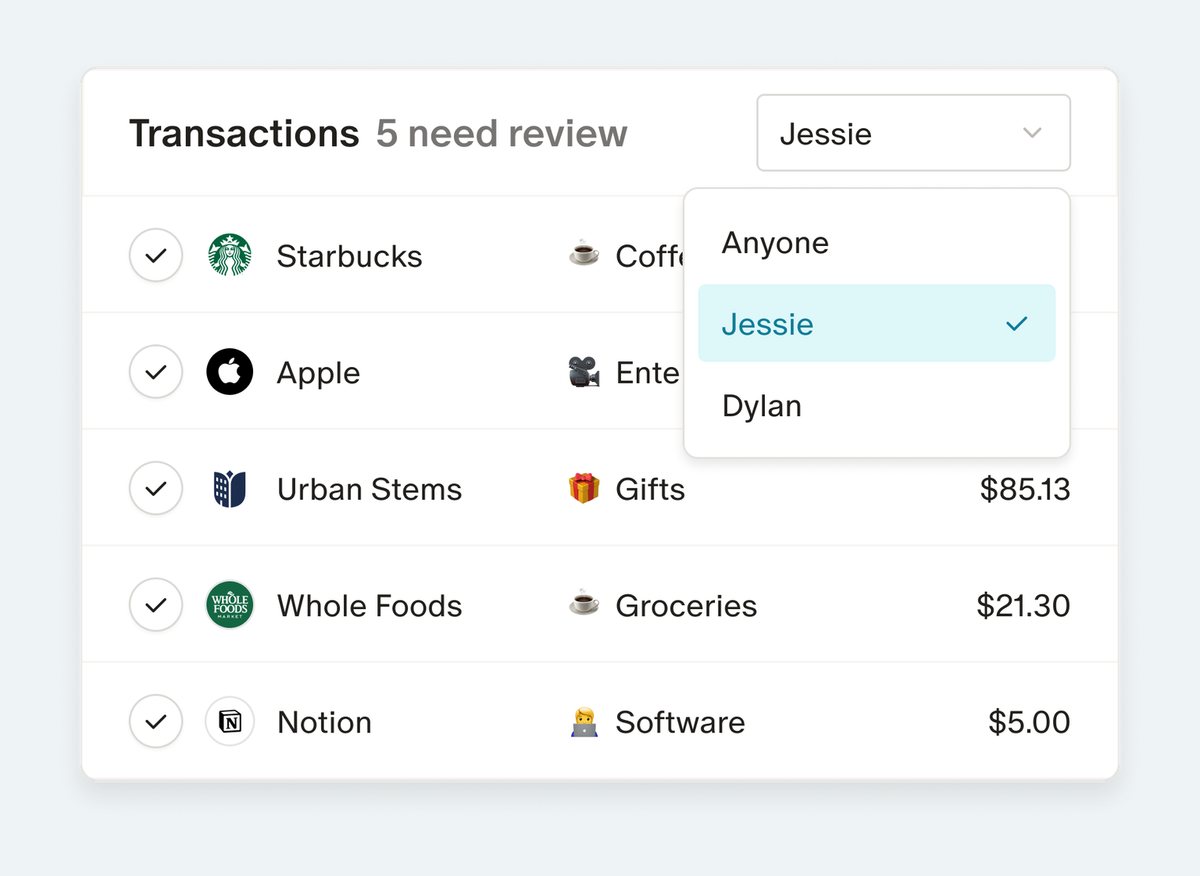
- Review recent transactions. I scan what came in since last time and fix anything in the wrong category. In my experience it gets roughly 90% of ours right on its own, so this is usually a quick pass. That’s my observation, not a measured accuracy rate, and your mix of merchants may be different.
- Check the budgets. I look at how this month’s spending is pacing against our main limits. This is where I see early whether a category is running hot.
- Look at the bigger picture. I check our net worth and which direction it’s heading over time.
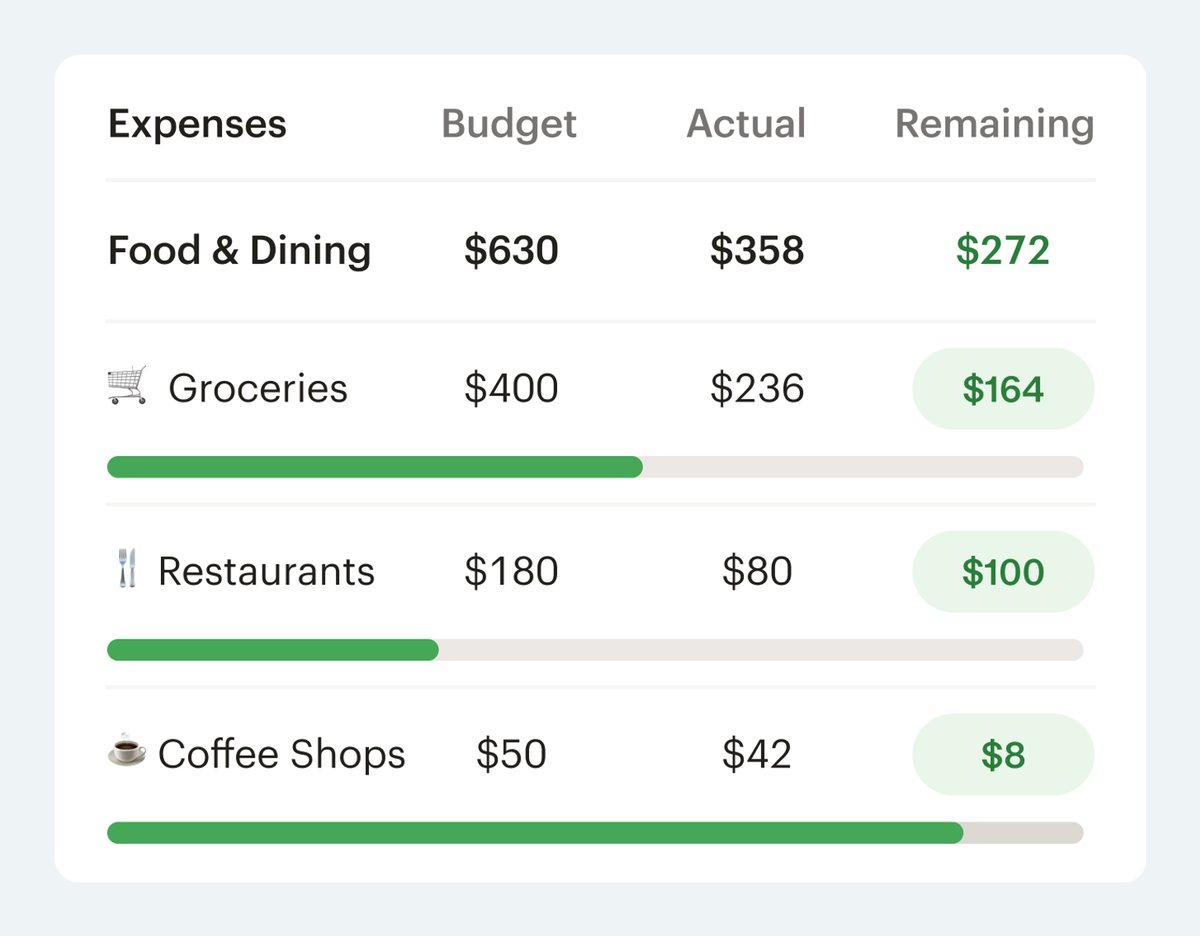
Those three checks answer the questions we actually ask each other: “How much have we spent this month?”, “Are we overspending anywhere?” and yes, “Can we afford to go out to eat again tonight?”
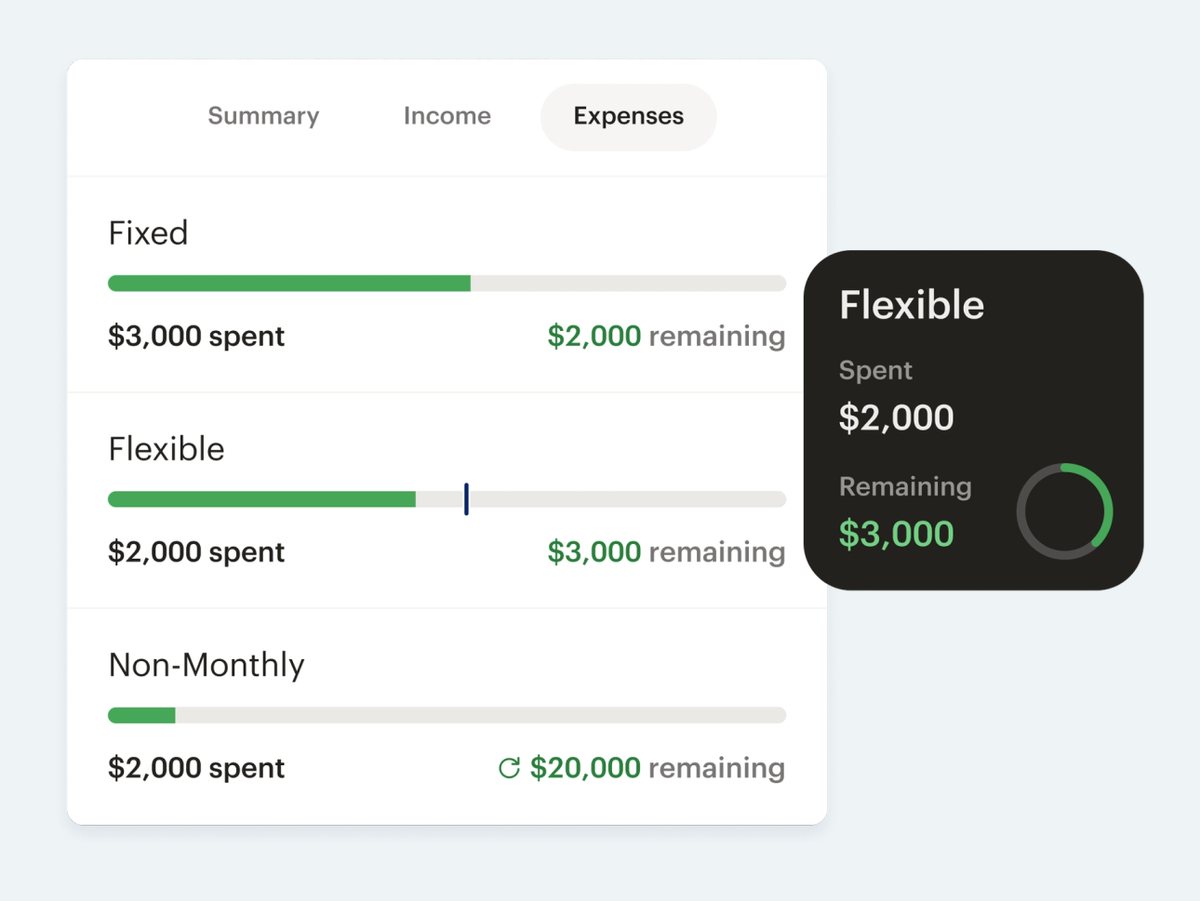
Monarch offers two ways to set up a budget. Flex budgeting splits spending into fixed, flexible and non-monthly groups and gives you one number for the flexible part. Category budgeting sets a limit for each category, the more traditional way. Monarch’s own guide explains how to choose, and it’s worth trying whichever one sounds less like work to you.
What changed for us
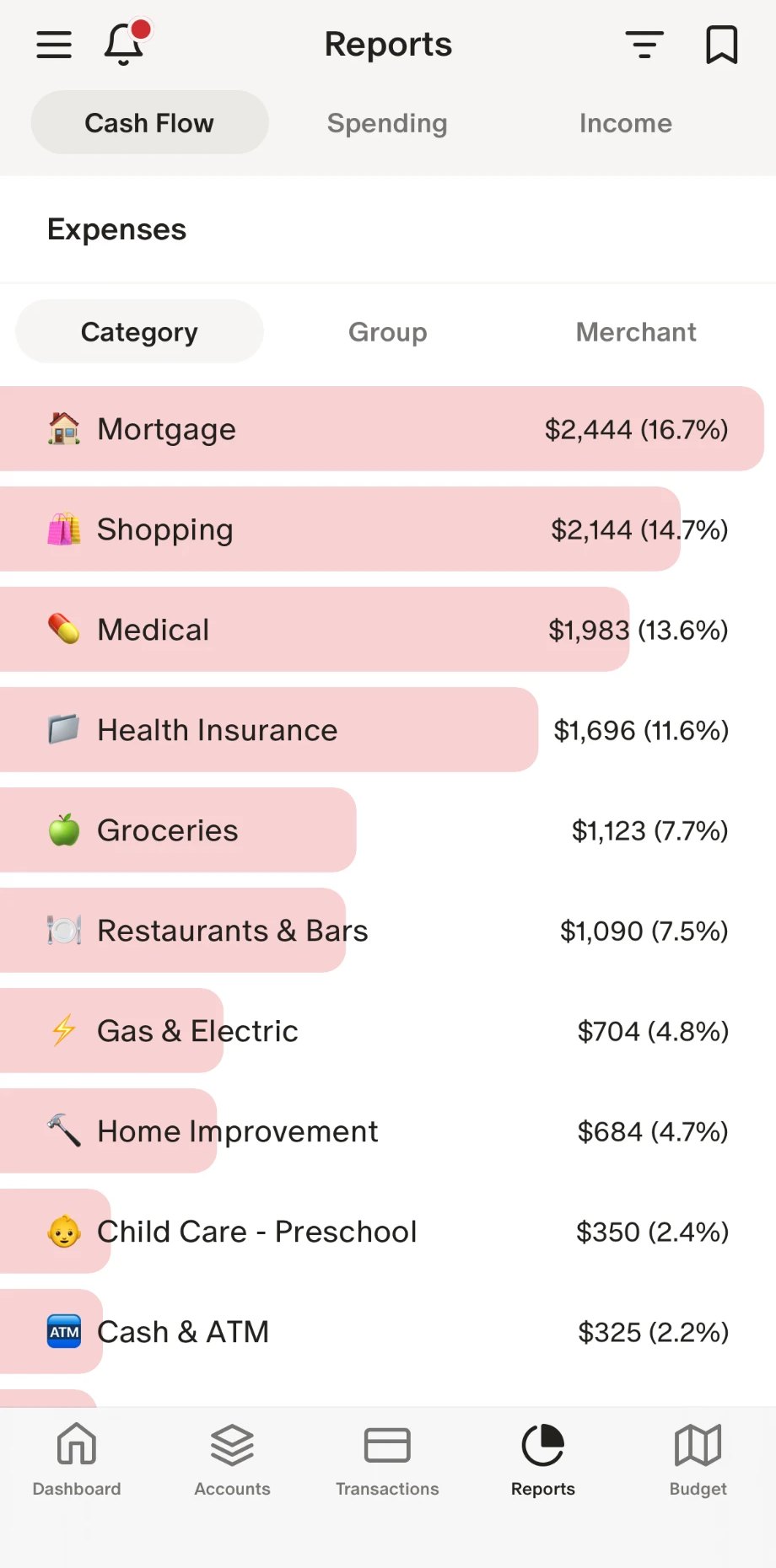
The biggest change is less guessing. We can see where our money is going and where we need to improve, instead of relying on a feeling or on one of us remembering everything.
We feel more in control. Questions that used to hang in the air now have answers. When we talk about money, we can both work from the same numbers.
The Consumer Financial Protection Bureau describes financial well-being as control over day-to-day finances, the ability to absorb a shock, being on track for your goals and the freedom to enjoy life. An app doesn’t hand you those, but seeing the whole picture regularly made them easier for us to work on.
Research on couples’ money disagreements points to things like who contributes what, who pays for shared expenses and different priorities. That research didn’t test Monarch, and I won’t claim an app fixes any of it. But two people looking at the same information is a better starting point than one person explaining it from memory.
Try Monarch Free for 7 Days →Use code N3JDSTP50 for 50% off your first year after the 7-day free trial. Payment method required; cancel at least 24 hours before the trial ends to avoid billing.
Why the AI assistant matters to me
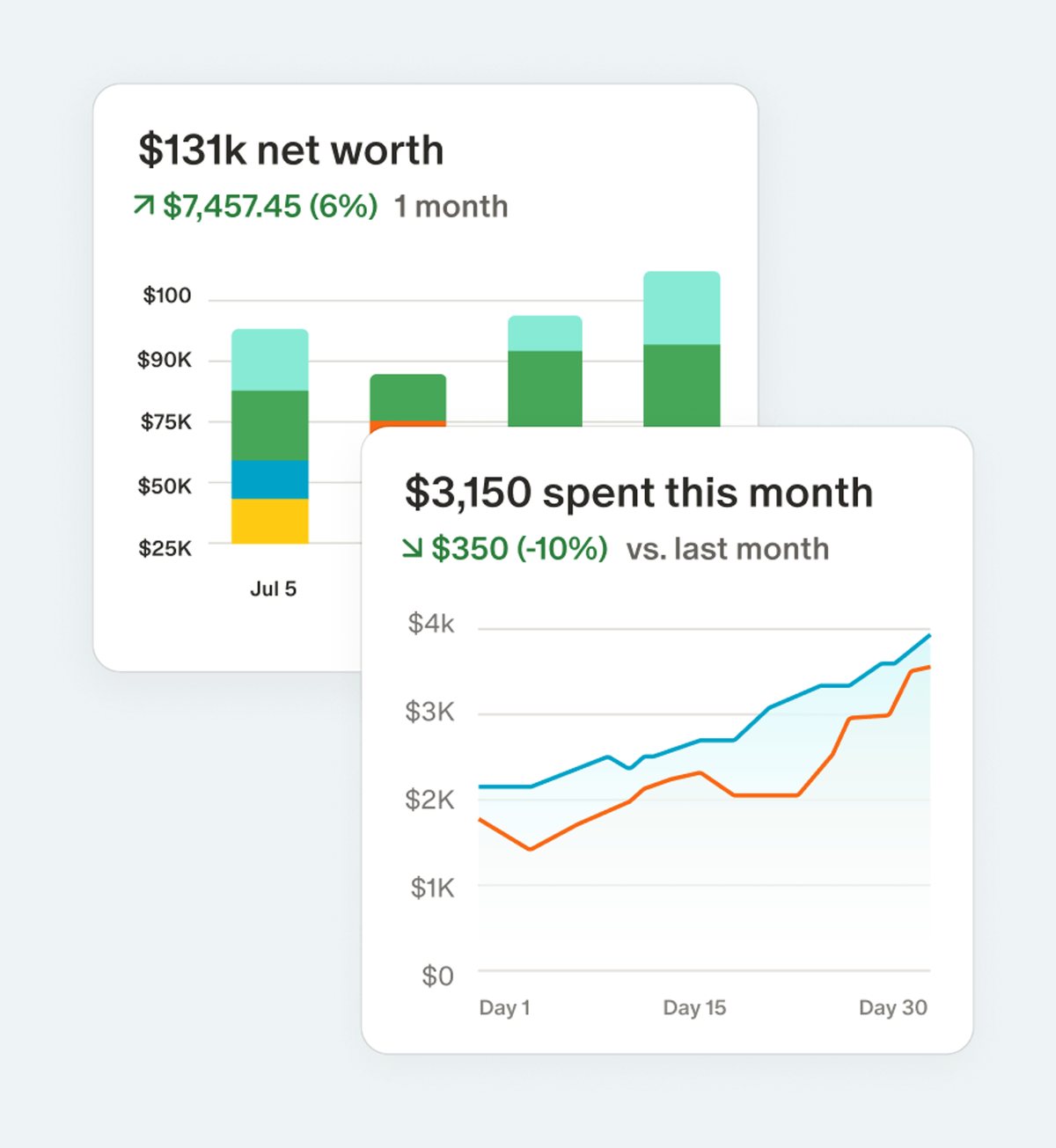
I’m a data nerd, and Monarch’s built-in AI assistant is the feature I appreciate most. Instead of working out which report or filter will answer my question, I can just ask it. I usually get a useful answer in about a minute.
That’s different from a general AI tool like ChatGPT, which can help you research budgeting approaches. Monarch’s assistant works inside Monarch, on your own connected data. Monarch says it sends AI providers only the data a task needs and doesn’t let them keep or train on it. You can also hide features like the assistant in your settings.
Questions you could try (ideas, not answers I’m quoting):
- How does our dining-out spending this month compare with last month?
- Which categories are we over budget in right now?
- What changed in our net worth this month, and why?
AI can get things wrong, so check anything important against the transactions, and it isn’t a substitute for professional advice. For us, it’s a faster way to look at a plan a person helped us build.
Is it worth paying for a budgeting app?
It’s a fair question: why pay for an app when the whole point is to manage spending?
For us, we’re paying for less effort and a routine we actually keep. Monarch gathers everything from our accounts, makes checking before we spend quick, and gives us a shared place to look and an easy way to see progress.
I consider the membership worthwhile. That’s my personal judgment, not a promise that it pays for itself or saves you any particular amount. If a free method is already working for you, keep it.
Monarch’s own case for paying: it’s ad-free, says it doesn’t sell your financial data, and connects with read-only access, so it can’t move your money. It also lists two-factor authentication, encryption and SOC 2 certification. That’s Monarch describing itself; its security page has the detail.
What could frustrate another household
- The cost. $99.99 a year or $14.99 a month for Core is a real line item, and it renews automatically.
- Some upkeep. Even with good automatic categories, someone still reviews transactions.
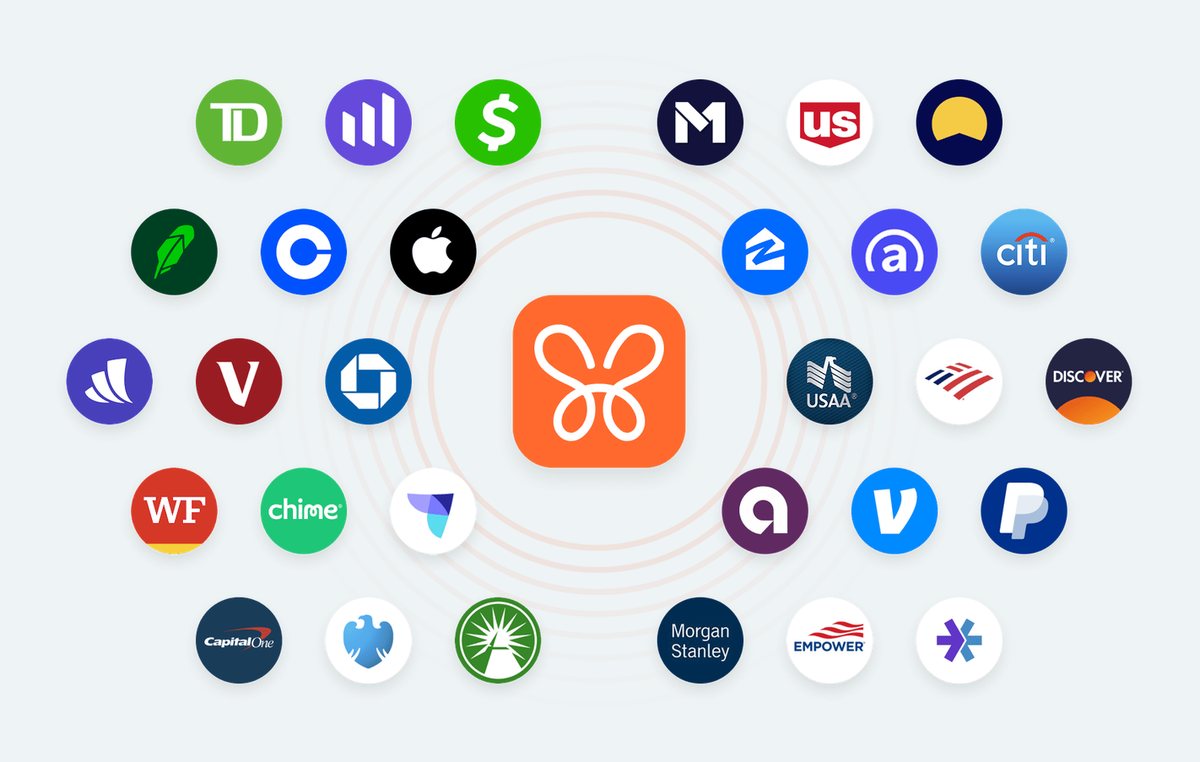
- Connections vary by bank. Ours connected smoothly, but that’s not a guarantee, and some users say the app loses value when an important account stops syncing. Monarch says it connects to 13,000+ institutions and publishes a connection status page; the trial is the time to test your own banks.
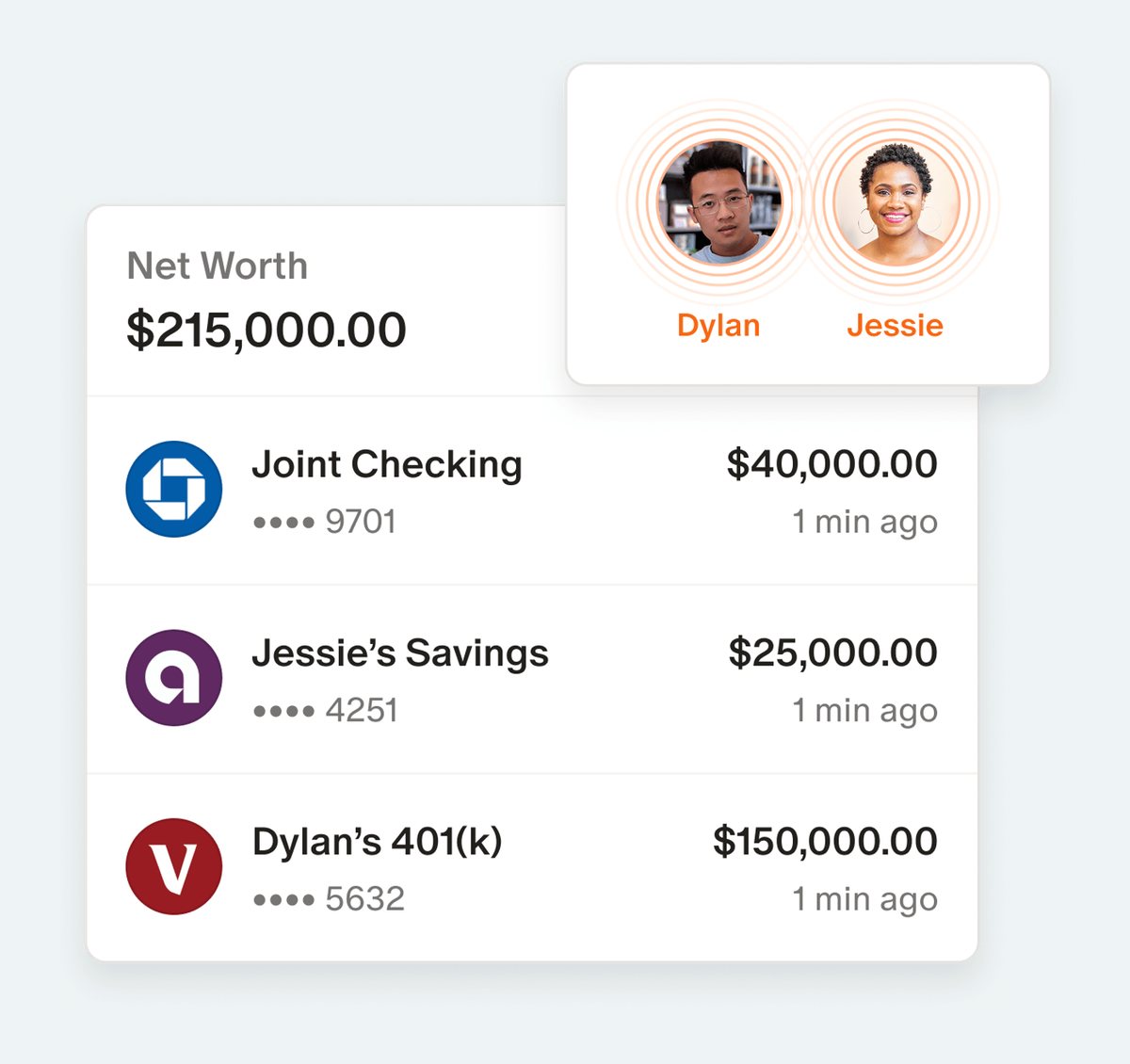
- No privacy between partners. Household members see all connected data. You can label accounts and transactions as yours, your partner’s or shared and filter by owner in Transactions and Reports, but labels don’t hide anything. The household shares one budget, and owner filters aren’t available in Budgets. If you each want a private budget alongside a shared one, that’s a real fit issue.
- AI isn’t always right. It’s a shortcut to an answer, not the final word.
- Net worth includes estimates. A home value estimate isn’t an appraisal or money you can spend. A net-worth change can reflect markets and property estimates as well as your own saving and spending.
This review covers budgeting. Retirement forecasting, business tracking and deeper investment analysis are Plus features, not Core.
Who I’d recommend it to, and who I wouldn’t
Worth a try if
- You and a partner share the money work and want to see the same picture
- Your money is spread across several accounts
- You’ve started and abandoned a few budgeting systems
- You miss Mint, or you’re tired of keeping a spreadsheet
- You like data but don’t want to build reports
Maybe skip it if
- You each want a private budget the other can’t see
- A free method is already working for you
- A key bank of yours doesn’t connect reliably
- You want an app to make your financial decisions for you
What to test during the free week
Seven days is enough to judge setup and whether you like using it, not to prove long-term savings or see a full month of budgeting. Here’s how I’d use it:
- At signup: check the plan you picked, the price, and the date the trial ends. Make sure code N3JDSTP50 is applied for 50% off your first year after the trial. Monarch says you can also add a code later, on the web, under Settings > Billing.
- Early on: connect the accounts that matter most and check that the balances and recent transactions look right.
- Next: review the categories, transfers and any duplicates, then choose Flex or Category budgeting.
- With a partner: agree on which accounts to connect and when you’ll look at them together. Remember that everyone in the household sees everything that’s connected.
- Ask one real question about your spending, then check the answer against the transactions.
- Decide before the deadline: Monarch says to cancel at least 24 hours before the trial ends if you don’t want to be billed.
Use code N3JDSTP50 for 50% off your first year after the 7-day free trial ($49.99, then $99.99 a year). Payment method required; renews unless canceled at least 24 hours before the trial ends.
Quick answers
Is Monarch worth paying for?
For us, yes. It made a routine we actually keep possible. That’s a personal judgment, not a promise of savings; the free week is the time to see whether it’s worth it for you.
Can couples use it without merging bank accounts?
Yes. Monarch is built to bring separate and joint accounts into one view. We consolidated ours as part of a plan with our advisor, but that was our choice, not a requirement.
Can partners keep connected accounts private?
No. Once someone is added to your household, they can see all of the connected data. Ownership labels and filters change what you’re looking at, not what your partner can see, and the household shares one budget.
Does Monarch replace a financial advisor?
Not for us. Our advisor helped us organize our finances and set a plan, and Monarch is how we track it. Its AI assistant helps you explore your data, but it isn’t a substitute for professional advice.
Is there a discount code?
Yes. Use code N3JDSTP50 for 50% off your first year of annual Core after the 7-day free trial: $49.99 for year one, then $99.99 a year. It’s for new members on subscriptions started on Monarch’s website.
What happens after the trial?
The trial becomes a paid subscription unless you cancel. Monarch says to cancel at least 24 hours before the trial ends to avoid being billed. Your next billing date is on your Billing Settings page.
The verdict
Monarch didn’t fix our finances on its own. Our advisor helped us organize them and set a plan. What Monarch did was make that plan easy to keep an eye on: a quick check three or four times a week, with answers to the questions we actually ask.
After years of approaches that didn’t stick, that’s why we use it, and why I think it’s worth a free week if you share the money work with someone and want the same clear picture.
Try Monarch Free for 7 Days →Free for 7 days, then use code N3JDSTP50 for 50% off your first year of annual Core: $49.99, then $99.99 a year. Payment method required; cancel at least 24 hours before the trial ends to avoid billing. Checked October 1, 2026.
Sources
- Monarch pricing, FAQs (trial and cancellation) and discounts and promotions, plus the Monarch page our link opens (offer terms), all checked October 1, 2026.
- Monarch, Monarch for Couples and Households (one shared view and budget; accounts and transactions can’t be hidden from household members) and Shared Views in Monarch (owner filters), updated September 16, 2026.
- Monarch, AI in Monarch, updated September 10, 2026; Security; Flex vs. Category Budgeting; Monarch Plus Tier.
- Consumer Financial Protection Bureau, financial well-being findings.
- Peetz, Meloff and Royle, “When couples fight about money, what do they fight about?” Journal of Social and Personal Relationships, 2023. The study did not test Monarch or any app.